
Post
Best Camping Tents for Family Trips, Hiking, and Outdoor Exploration
Jun
Best Camping Tents for Family Trips, Hiking, and Outdoor Exploration
Introduction Best Camping Tents
A reliable camping tent is the foundation of every successful outdoor adventure. Whether you’re planning a family camping vacation, embarking on a weekend hiking expedition, exploring national parks, or enjoying a multi-day wilderness trek, the right tent provides comfort, protection, and peace of mind. A quality tent shields you from wind, rain, insects, and changing weather conditions while creating a comfortable place to rest after a day of outdoor activities.
Modern camping tents have evolved dramatically over the years. Today’s designs feature lightweight materials, weather-resistant construction, improved ventilation systems, faster setup mechanisms, and innovative layouts that maximize comfort and functionality. As a result, outdoor enthusiasts can choose from a wide range of tents specifically designed for family camping, backpacking, hiking, overlanding, and extended outdoor exploration.
Selecting the best camping tent requires understanding your needs, travel style, group size, and expected weather conditions. A spacious family tent may be perfect for campground adventures but unsuitable for long-distance hiking, while an ultralight backpacking tent may prioritize portability over interior space.
This comprehensive guide explores the best camping tent features and styles for family trips, hiking, and outdoor exploration, helping you make the right choice for your next adventure.

Why Choosing the Right Camping Tent Matters
A tent serves as your temporary home in the outdoors.
The right tent provides:
- Weather protection
- Comfortable sleeping space
- Improved safety
- Better organization
- Enhanced outdoor experiences
A poorly chosen tent can lead to discomfort, inadequate protection, and a less enjoyable trip.
Understanding Different Types of Camping Tents
Camping tents are designed for specific outdoor activities.
The most common categories include:
- Family camping tents
- Backpacking tents
- Hiking tents
- Expedition tents
- Instant tents
Understanding these categories helps narrow your options.
Family Camping Tents
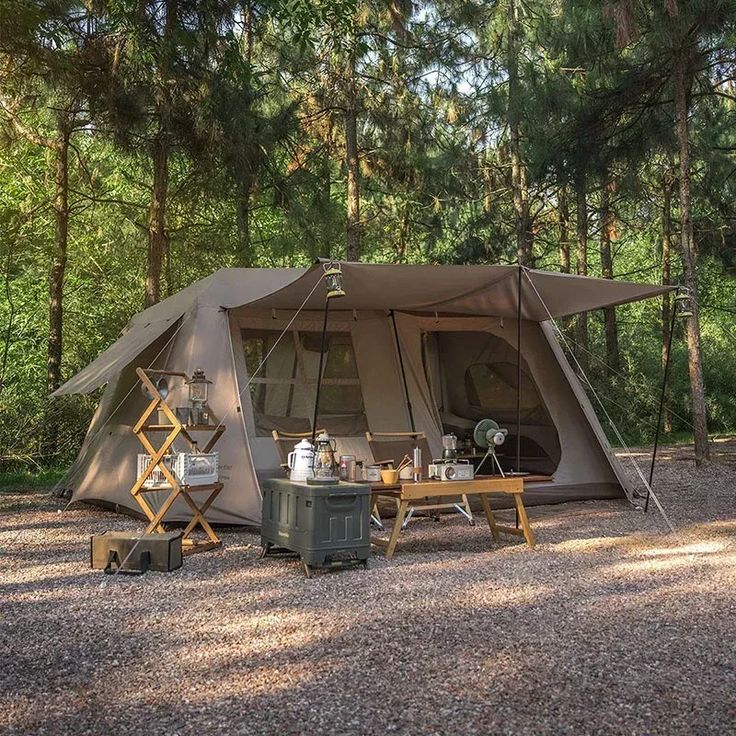
Family camping tents prioritize comfort, space, and convenience.
Key Features
Large Interior Space
Accommodate multiple campers comfortably.
Multiple Rooms
Provide privacy and organization.
High Ceilings
Allow standing room inside.
Large Doors and Windows
Improve accessibility and ventilation.
These features make family camping more comfortable and enjoyable.
Benefits of Family Tents
Greater Comfort
Feel more like home.
Better Storage
Organize gear efficiently.
Enhanced Group Experiences
Create shared living spaces.
Family tents are ideal for campground-based adventures.
Backpacking and Hiking Tents
Backpacking tents focus on minimizing weight while maintaining protection and durability.
Key Features
Lightweight Construction
Reduce carrying weight.
Compact Packed Size
Save backpack space.
Quick Setup
Simplify campsite preparation.
Weather Resistance
Protect against changing conditions.
These qualities are essential for hikers and backpackers.
Why Weight Matters
Every pound carried affects endurance.
Lighter tents provide:
- Increased mobility
- Reduced fatigue
- Greater hiking efficiency
Lightweight designs are particularly important for long-distance treks.
Ultralight Hiking Tents
Ultralight tents have become increasingly popular among serious hikers.
Advantages
Minimal Pack Weight
Improve trail performance.
Faster Travel
Carry less burden.
Better Energy Conservation
Reduce physical strain.
Ultralight shelters help maximize hiking efficiency.

Weather Resistance and Protection
One of the most important tent features is weather protection.
Rain Protection
Quality tents often include:
Waterproof Fabrics
Prevent moisture intrusion.
Rainflies
Provide additional protection.
Sealed Seams
Reduce leaks.
Durable Floors
Keep occupants dry.
Reliable weather resistance ensures comfort during storms.
Wind Resistance
Strong winds can challenge even experienced campers.
Features that improve wind stability include:
Reinforced Pole Systems
Increase structural strength.
Guy Lines
Improve anchoring.
Aerodynamic Shapes
Reduce wind resistance.
Wind-resistant tents are especially valuable in exposed environments.
Tent Capacity and Occupancy
Choosing the right size is essential.
Capacity Guidelines
| Group Size | Recommended Tent Size |
|---|---|
| Solo Camper | 1–2 Person Tent |
| Couple | 2–3 Person Tent |
| Small Family | 4–6 Person Tent |
| Large Family | 6–10 Person Tent |
Consider both sleeping space and gear storage requirements.
Why Size Matters
A tent that is too small may feel cramped.
A tent that is too large can:
- Add unnecessary weight
- Require more setup time
- Occupy larger campsites
Balancing comfort and practicality is key.
Ventilation and Airflow
Proper ventilation improves comfort and reduces condensation.
Important Features
Mesh Panels
Increase airflow.
Roof Vents
Release warm air.
Large Windows
Improve circulation.
Good ventilation is especially important in humid environments.
Ease of Setup
After a long day outdoors, nobody wants to spend excessive time assembling a tent.
Modern Setup Innovations
Color-Coded Poles
Simplify assembly.
Quick-Clip Systems
Reduce setup time.
Instant Tent Designs
Enable rapid deployment.
Fast setup enhances convenience.
Tent Materials and Durability
Durability directly impacts long-term value.
Common Tent Materials
Polyester
Affordable and weather-resistant.
Nylon
Lightweight and durable.
Ripstop Fabrics
Resist tears and punctures.
Quality materials help tents withstand demanding conditions.
Tent Pole Systems
Tent poles provide structural support.
Popular Materials
Aluminum Poles
Lightweight and strong.
Fiberglass Poles
Cost-effective and flexible.
Composite Materials
Offer advanced performance.
Aluminum remains the preferred choice for many outdoor enthusiasts.
Storage and Interior Organization
Thoughtful storage features improve campsite convenience.
Useful Features
Gear Lofts
Store small items overhead.
Interior Pockets
Organize essentials.
Vestibules
Protect gear outside sleeping areas.
Good organization enhances comfort and accessibility.
Best Tents for Family Camping
Family campers typically prioritize:
Spacious Interiors
Provide comfort.
Standing Height
Improve usability.
Multiple Rooms
Increase privacy.
Enhanced Ventilation
Improve airflow.
Large cabin-style tents often excel in these areas.
Best Tents for Hiking Adventures
Hikers typically prioritize:
Lightweight Construction
Reduce carrying burden.
Compact Design
Save backpack space.
Weather Protection
Handle changing conditions.
Durability
Support extended use.
Backpacking tents are designed specifically for these needs.
Best Tents for Outdoor Exploration
Explorers often require versatile shelters.
Priorities Include
Durability
Handle diverse environments.
Portability
Support frequent movement.
Weather Resistance
Adapt to changing conditions.
Efficient Setup
Maximize convenience.
Versatile tents provide flexibility for various adventures.
Seasonal Tent Ratings
Tents are often categorized by seasonality.
Three-Season Tents
Suitable for:
- Spring
- Summer
- Fall
These tents balance ventilation and weather protection.
Four-Season Tents
Designed for:
- Winter conditions
- Snow loads
- High winds
They prioritize durability and protection.
Choosing the correct season rating improves safety and comfort.
Technology and Innovation in Modern Tents
Tent technology continues advancing rapidly.
Recent innovations include:
Lightweight Fabrics
Reduce carrying weight.
Improved Waterproof Coatings
Enhance weather resistance.
Stronger Pole Designs
Increase stability.
Sustainable Materials
Reduce environmental impact.
These advancements improve overall camping experiences.
Common Mistakes When Buying a Camping Tent
Avoid these common errors:
Choosing Based Only on Capacity
Consider gear storage as well.
Ignoring Weather Conditions
Can reduce safety and comfort.
Overlooking Packed Weight
Important for hikers.
Prioritizing Price Over Quality
May lead to early replacement.
Careful evaluation helps ensure long-term satisfaction.
How to Extend Tent Lifespan
Proper care increases durability.
Maintenance Tips
Clean After Each Trip
Remove dirt and debris.
Dry Completely Before Storage
Prevent mold and mildew.
Store Properly
Avoid prolonged compression.
Repair Small Damage Early
Prevent larger problems.
Regular maintenance protects your investment.
Building the Ideal Camping Setup
A complete camping shelter system often includes:
- Tent
- Ground tarp
- Sleeping bag
- Sleeping pad
- Lighting
- Weather protection accessories
Together, these components create a comfortable outdoor living space.
Future Trends in Camping Tents
The future of tent design is expected to focus on:
Sustainability
Eco-friendly materials.
Smart Features
Integrated technology.
Lighter Construction
Improved portability.
Enhanced Weather Protection
Greater durability.
Innovation continues improving outdoor gear performance.
Conclusion
The best camping tent is one that matches your specific adventure style, group size, and environmental conditions. Whether you’re planning a family camping vacation, embarking on a backpacking expedition, exploring remote wilderness areas, or enjoying weekend hiking trips, selecting the right tent is essential for comfort, safety, and overall enjoyment.
Modern tents offer remarkable advancements in lightweight construction, weather resistance, ventilation, durability, and convenience. By carefully evaluating factors such as capacity, setup speed, seasonal rating, materials, and intended use, you can find a tent that meets your needs and enhances every outdoor experience.
A quality camping tent is more than just a shelter—it is your home away from home, providing protection, comfort, and security as you explore the beauty of the outdoors. Investing in the right tent ensures countless memorable adventures for years to come.
