
Post
How to Choose the Best Sleeping Bag and Pad for Outdoor Adventures
Jun
How to Choose the Best Sleeping Bag and Pad for Outdoor Adventures
Introduction
A good night’s sleep can make or break any outdoor adventure. Whether you’re camping in a national park, backpacking through mountain trails, hiking remote wilderness routes, or enjoying a weekend camping trip with family and friends, the quality of your sleep directly affects your energy, comfort, and overall experience. Two of the most important pieces of camping gear responsible for restful sleep are your sleeping bag and sleeping pad.
Many outdoor enthusiasts focus heavily on tents, backpacks, and cooking equipment while underestimating the importance of a proper sleep system. However, even the best tent cannot compensate for a sleeping bag that is too cold or a sleeping pad that fails to provide insulation and comfort. Choosing the right combination of sleeping bag and sleeping pad ensures warmth, support, and protection from the ground, helping you wake up refreshed and ready for the next day’s adventure.
Modern outdoor gear offers a wide range of sleeping bags and pads designed for different temperatures, activities, climates, and personal preferences. Understanding how these products work together is essential for selecting the best setup for your needs.
This comprehensive guide explores how to choose the best sleeping bag and sleeping pad for outdoor adventures while maximizing comfort, warmth, and performance.

Why Your Sleep System Matters
A complete outdoor sleep system typically consists of:
- A sleeping bag
- A sleeping pad
- A tent or shelter
- Optional sleeping accessories
Among these components, the sleeping bag and pad play the largest roles in maintaining warmth and comfort.
Benefits of a Quality Sleep System
Better Rest How to Choose the Best Sleeping Bag and Pad
Improve recovery after physical activity.
Increased Warmth
Protect against cold temperatures.
Enhanced Comfort
Reduce pressure points.
Improved Safety
Help prevent cold-related issues.
A good sleep system contributes directly to a successful outdoor experience.
Understanding Sleeping Bags
Sleeping bags are designed to trap body heat and create an insulated environment that helps maintain a comfortable sleeping temperature.
How Sleeping Bags Work
Your body generates heat while sleeping.
The insulation inside the sleeping bag traps that heat and reduces heat loss.
The effectiveness of a sleeping bag depends on:
- Insulation type
- Construction quality
- Temperature rating
- Fit and design
Understanding these factors helps you choose the right model.
Types of Sleeping Bags
Sleeping bags come in several shapes, each designed for specific purposes.
Mummy Sleeping Bags
Mummy bags are popular among backpackers and hikers.
Advantages
- Excellent heat retention
- Lightweight design
- Compact packed size
Best For
- Backpacking
- Cold-weather camping
- Long-distance hiking
The tapered design minimizes unused space and improves warmth.
Rectangular Sleeping Bags
Rectangular bags provide more interior space.
Advantages
- Greater comfort
- More freedom of movement
- Versatile use
Best For
- Car camping
- Family camping
- Mild weather conditions
Comfort is prioritized over maximum thermal efficiency.
Semi-Rectangular Sleeping Bags
These bags balance warmth and comfort.
Advantages
- Better mobility than mummy bags
- Improved heat retention compared to rectangular designs
They are popular among general outdoor enthusiasts.
Understanding Temperature Ratings
Temperature ratings help determine the conditions a sleeping bag can handle.

Why Temperature Ratings Matter
Selecting the wrong rating can result in:
- Poor sleep
- Excessive cold
- Overheating
Matching the bag to expected conditions is essential.
General Temperature Categories
Summer Sleeping Bags
Suitable for warm conditions.
Three-Season Sleeping Bags
Handle spring, summer, and fall temperatures.
Winter Sleeping Bags
Designed for cold-weather and snow camping.
Most outdoor enthusiasts benefit from a versatile three-season sleeping bag.
Down vs Synthetic Insulation
Insulation type significantly impacts performance.
Down Insulation
Down is derived from duck or goose plumage.
Advantages
Exceptional Warmth-to-Weight Ratio
Provide excellent insulation.
Compressibility
Pack very small.
Long Lifespan
Maintain performance with proper care.
Down is favored by many backpackers.
Disadvantages
Reduced Performance When Wet
Moisture affects insulation efficiency.
Higher Cost
Generally more expensive.
Despite these limitations, down remains highly popular.
Synthetic Insulation
Synthetic materials mimic the insulating properties of down.
Advantages
Better Wet-Weather Performance
Retain insulation when damp.
Lower Cost
More budget-friendly.
Easier Maintenance
Require less specialized care.
Synthetic bags are excellent choices for many campers.
Disadvantages
Larger Packed Size
Take up more storage space.
Heavier Weight
Typically weigh more than down alternatives.
Choosing between down and synthetic depends on your priorities and environment.
Importance of Sleeping Bag Fit
A sleeping bag should fit properly to maximize efficiency.
Why Fit Matters
Better Heat Retention
Reduce dead air space.
Improved Comfort
Allow natural sleeping positions.
Greater Efficiency
Optimize insulation performance.
Most manufacturers offer multiple size options.
Understanding Sleeping Pads
While sleeping bags provide insulation above and around your body, sleeping pads protect against heat loss through the ground.
Many beginners underestimate the importance of sleeping pads.
Why Sleeping Pads Matter
Sleeping directly on the ground can result in:
- Heat loss
- Discomfort
- Poor sleep quality
A quality pad addresses these issues.
Types of Sleeping Pads
Foam Sleeping Pads
Foam pads are simple and reliable.
Advantages
- Lightweight
- Durable
- Affordable
Best For
- Backpacking
- Emergency use
- Budget-conscious campers
Foam pads remain popular for their reliability.
Self-Inflating Sleeping Pads
These pads combine foam insulation with air chambers.
Advantages
- Improved comfort
- Good insulation
- Easy setup
Best For
- Camping
- Backpacking
- General outdoor use
They provide an excellent balance of comfort and performance.
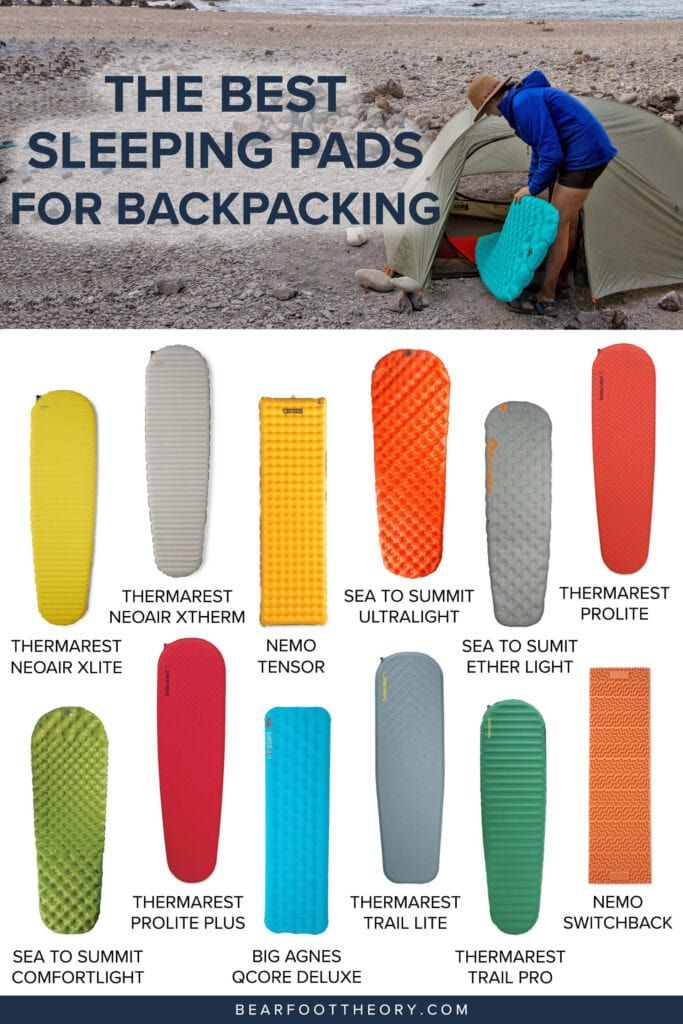
Air Sleeping Pads
Air pads prioritize comfort and packability.
Advantages
- Excellent cushioning
- Lightweight design
- Compact storage
Best For
- Backpacking
- Hiking
- Travel
Modern air pads have become increasingly popular.
Understanding R-Value
R-value measures a sleeping pad’s insulation performance.
Why R-Value Matters
Higher R-values provide:
Better Cold Protection
Reduce heat loss.
Improved Winter Performance
Enhance warmth.
Greater Versatility
Handle wider temperature ranges.
Selecting an appropriate R-value is critical for comfort.
General R-Value Guidelines
| Conditions | Recommended R-Value |
|---|---|
| Summer | 1–3 |
| Three-Season | 3–5 |
| Winter | 5+ |
Matching R-value to conditions improves sleep quality.
Choosing the Right Sleeping Pad Thickness
Thickness influences comfort.
Thin Pads
Benefits:
- Lightweight
- Compact
Ideal for minimalist backpackers.
Thicker Pads
Benefits:
- Better cushioning
- Increased comfort
Suitable for campers prioritizing comfort.
Sleeping Position Considerations
Different sleeping positions require different support levels.
Side Sleepers
Generally prefer:
- Thicker pads
- Better cushioning
Back Sleepers
Often find:
- Moderate thickness sufficient
Stomach Sleepers
Typically benefit from:
- Balanced support
- Stable surfaces
Understanding your sleeping style helps narrow your options.
Weight and Packability
Backpackers often prioritize lightweight gear.
Importance for Hiking
Lighter equipment provides:
Reduced Fatigue
Conserve energy.
Greater Mobility
Improve trail performance.
Easier Packing
Save space.
Weight becomes increasingly important during longer trips.
Durability and Material Quality
Outdoor equipment must withstand rugged environments.
Important Factors
Tear Resistance
Prevent damage.
Puncture Resistance
Increase reliability.
High-Quality Fabrics
Improve longevity.
Durability contributes to long-term value.
Combining Sleeping Bags and Pads Effectively
The best performance comes from matching both components.
Example Pairings
Summer Camping
- Lightweight sleeping bag
- Low R-value pad
Three-Season Hiking
- Moderate insulation sleeping bag
- Mid-range R-value pad
Winter Camping
- Cold-weather sleeping bag
- High R-value insulated pad
The system should match expected conditions.
Common Mistakes When Choosing Sleep Gear
Avoid these frequent errors:
Ignoring Temperature Ratings
May result in poor sleep.
Overlooking Sleeping Pads
Can lead to significant heat loss.
Prioritizing Cost Alone
Quality matters.
Choosing Incorrect Sizes
Affect comfort and efficiency.
Careful selection prevents many common problems.
Future Innovations in Outdoor Sleep Systems
Manufacturers continue improving outdoor sleeping equipment.
Emerging trends include:
Advanced Lightweight Materials
Reduce pack weight.
Improved Insulation Technologies
Increase warmth.
Sustainable Manufacturing
Reduce environmental impact.
Enhanced Comfort Designs
Improve sleep quality.
Innovation continues making outdoor adventures more comfortable.
Conclusion
Choosing the best sleeping bag and sleeping pad is one of the most important decisions for any outdoor adventure. Together, these two pieces of equipment form the foundation of a comfortable and effective sleep system, providing warmth, support, insulation, and protection from the elements.
Whether you’re planning a summer camping trip, a multi-day backpacking expedition, or a winter wilderness adventure, understanding factors such as insulation type, temperature ratings, sleeping pad R-values, comfort preferences, weight considerations, and durability will help you select the ideal setup. Investing in high-quality sleep gear not only improves comfort but also enhances safety, recovery, and overall enjoyment.
A restful night in the outdoors allows you to wake up energized, prepared, and excited for the next day’s adventure. By choosing the right sleeping bag and pad, you can transform any campsite into a comfortable home away from home and make every outdoor journey more memorable.
